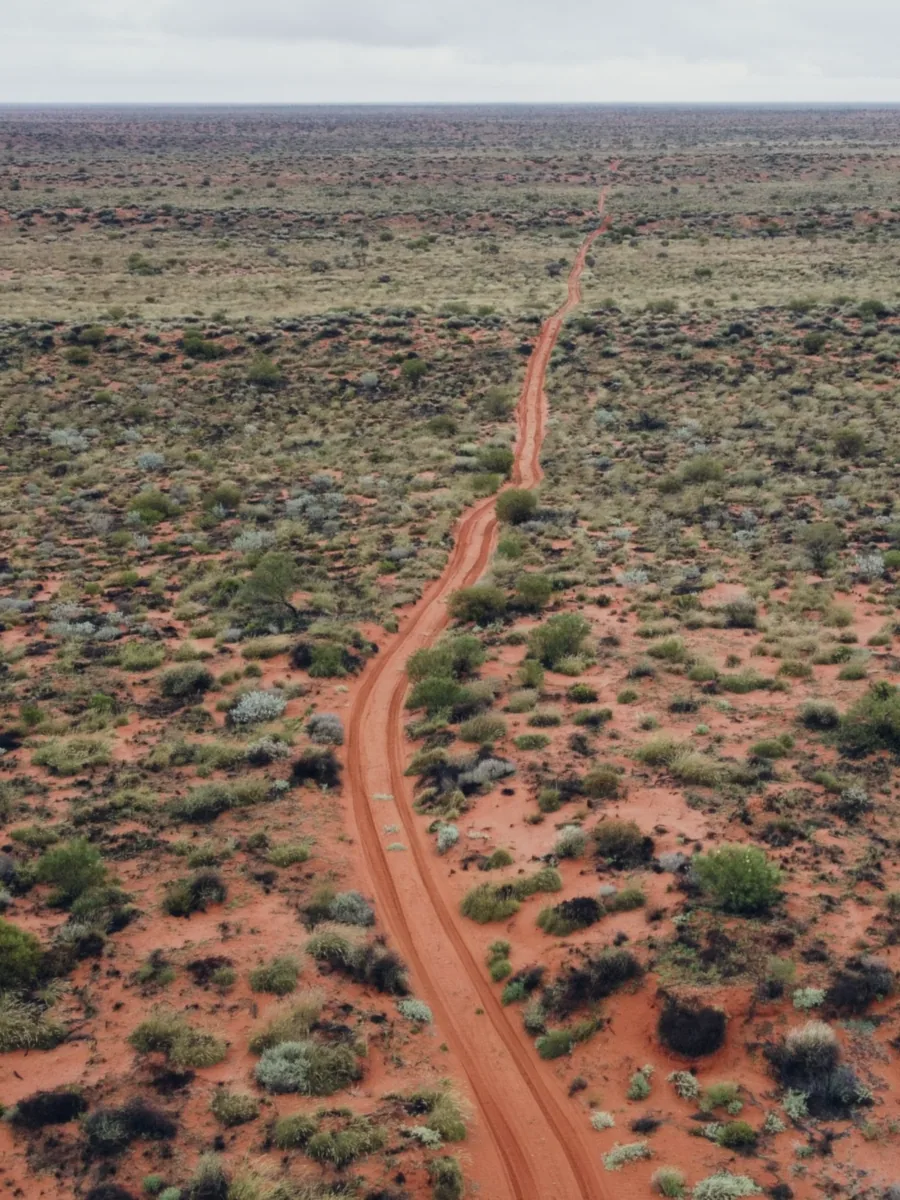
Engineering for defence, mining, agriculture, finance and telecommunications
Neuralis is an Australian engineering company that builds AI models, intelligence systems and long-range field communications, and deploys them where the data is collected.
Contact NeuralisSanctuary Cove, Queensland / Sydney, New South Wales
- Research status
- The group is a registered Research Service Provider under Australia's R&D Tax Incentive
- Offices
- Sanctuary Cove, Gold Coast, Queensland, and Sydney, New South Wales
- Group
- A part of Amala Innovation Group, with sister company Vedametric
- Founder
- Kunal Miind
Company
Neuralis designs, builds and supports AI and intelligence systems for organisations that cannot send their data to a public service, or that operate where there is no reliable network.
The work covers model engineering, multi-source data fusion and analytics, autonomy for drones and ground robots, and the radio networks, data loggers and device fleets that collect field data. Models are trained, distilled and quantised in-house, then deployed on edge hardware, on-premises servers or air-gapped networks. Field equipment is tested on site, in the conditions it will work in, before a full rollout.
Security, clearance and accreditation requirements are set with each client at the outset. Neuralis is based in Sanctuary Cove and Sydney and delivers projects on site anywhere in Australia.
Sectors
Each sector page sets out the systems Neuralis builds, the standards and regulations they are designed against, and typical deliverables.
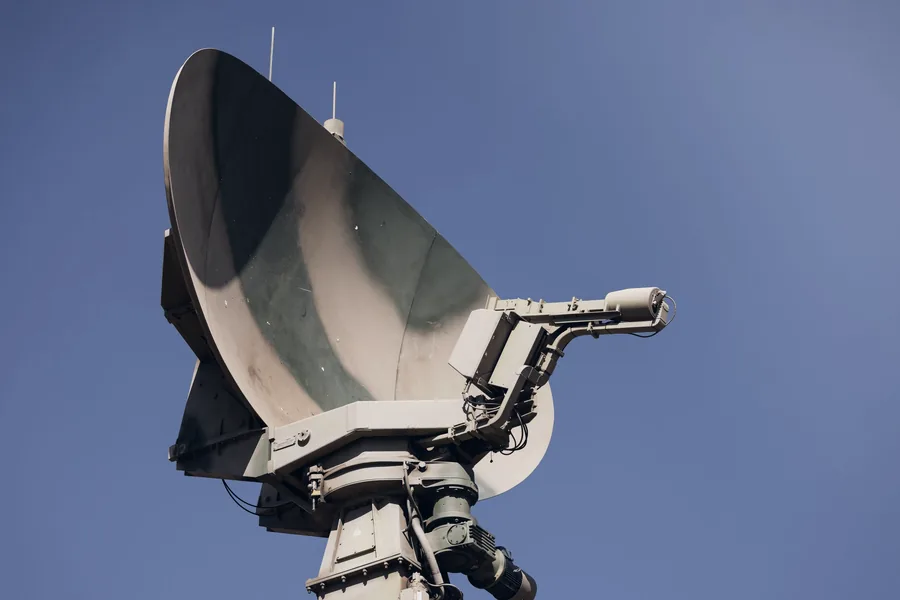 DefenceMulti-INT data fusion, ISR analytics on EO/IR, SAR and full-motion video, tactical networks and positioning without GNSS, for authorised defence and national security users.
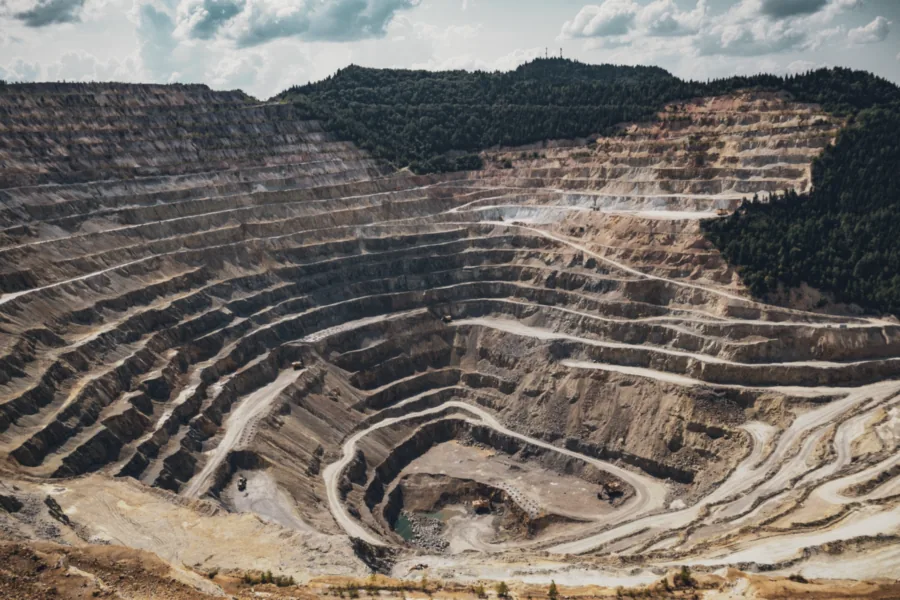 MiningAutonomy and teleremote retrofits, collision avoidance data, fixed-plant condition monitoring, drone survey, and slope and tailings monitoring.
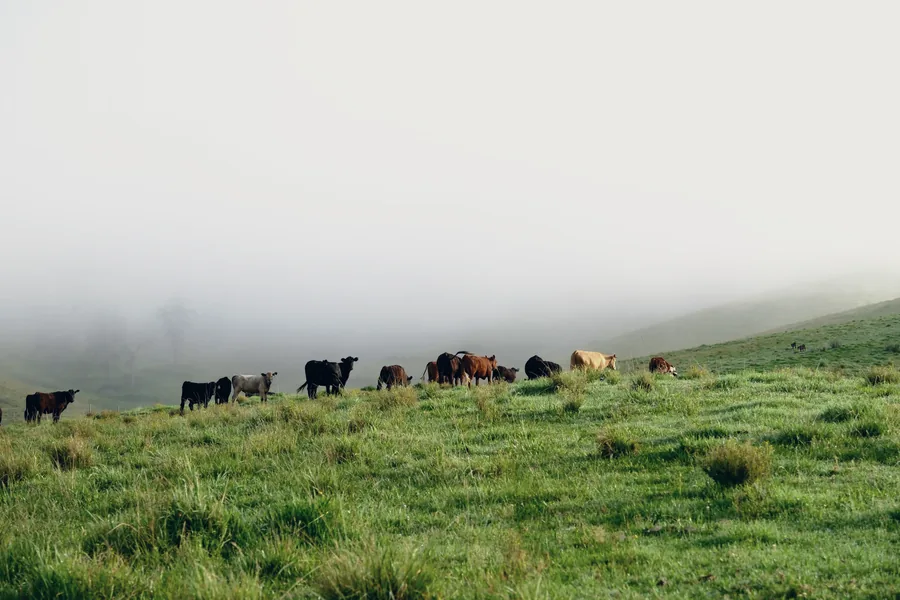 AgricultureIrrigation scheduling, water point alarms, livestock tracking, pasture biomass, weed detection, grain storage and soil carbon measurement.
 FinanceMarket and filings data, credit and counterparty risk models, and money laundering intelligence for Australian reporting entities.
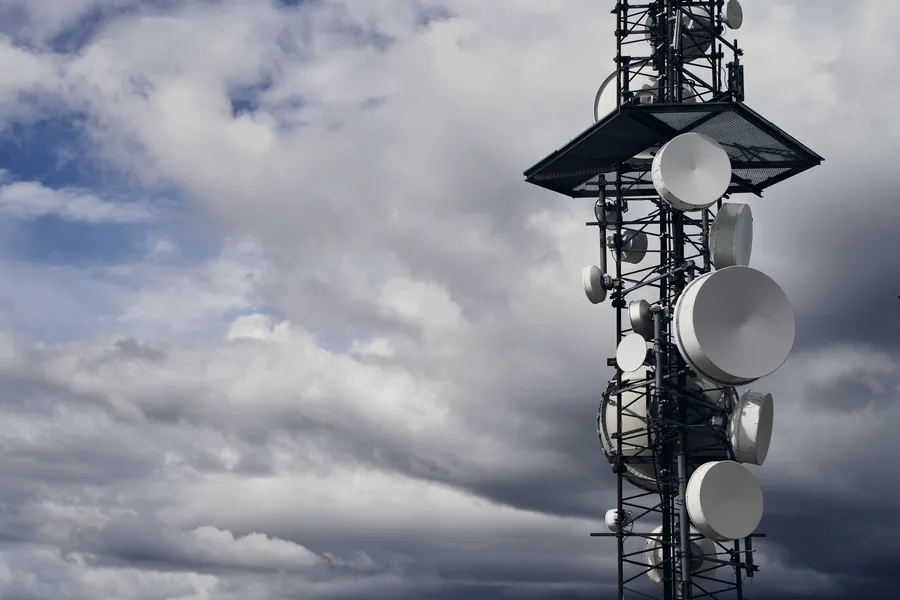 TelecommunicationsNetwork telemetry and xDR analytics, SDR spectrum monitoring, signal classification and telecom fraud detection for carriers and authorised agencies.
Capabilities
Six engineering capabilities support the sector work. Each has its own page with method, standards and worked detail.
- 01Sovereign AI and model engineeringTraining and fine-tuning on customer data, knowledge distillation, quantisation to INT8 and INT4, and deployment on edge, on-premises and air-gapped hardware.PyTorch, ONNX, TensorRT, GPTQ, AWQ, LoRA adapters
- 02Money laundering intelligenceTypology detection, entity resolution, graph link analysis and alert triage, with explainable evidence for suspicious matter reports.AML/CTF Act 2006, AUSTRAC SMR, TTR and IFTI reporting
- 03Drones and roboticsAutonomy for aerial and ground vehicles, navigation without GNSS, multi-vehicle coordination and sim-to-real testing.ROS 2, PX4, ArduPilot, MAVLink, Gazebo
- 04Long-range communicationsLoRa and LoRaWAN networks on AU915, mesh relays, HF, VHF and UHF links, NB-IoT, LTE-M and satellite backhaul.LIPD Class Licence 2025, Radiocommunications Act 1992
- 05Field telemetry and data loggingData loggers, sensor interfaces, solar and battery power budgets, enclosures and remote monitoring dashboards.SDI-12, Modbus RTU, 4-20 mA, IEC 60529
- 06IoT systems and device fleetsPer-device identity, MQTT messaging, signed over-the-air updates, edge gateways and predictive maintenance.MQTT 5, X.509, MCUboot, OPC UA
Design for field conditions
Field and tactical equipment fails in predictable ways. Links drop or are jammed, batteries sag in winter and enclosures overheat in summer. Designs account for those failure modes before features are added.
Current is measured in each operating state and solar and battery capacity is sized for the darkest weeks at the site. Radio paths are surveyed and tested before gateway sites are chosen. Devices buffer readings, detections and tracks locally, respect emission-control windows and forward data in order when a link returns.
| Radio | LoRa and LoRaWAN, HF, VHF and UHF, LTE-M, NB-IoT, satellite |
|---|---|
| Power | Solar with LiFePO4, Li-SOCl2 primary cells, mains where present |
| Interfaces | SDI-12, RS-485 Modbus, 4-20 mA, pulse |
| Enclosures | IP-rated to IEC 60529, vented, sun shields, surge protection on long cable runs |
| Compute | Microcontrollers, SoC NPUs, Jetson-class GPUs, air-gapped servers |
| Model precision | FP32 4 bytes per weight, FP16 2, INT8 1, INT4 0.5 |
Research and development
Neuralis is part of Amala Innovation Group. The group is a registered Research Service Provider (RSP) under Australia's R&D Tax Incentive.
RSPs are registered with the Department of Industry, Science and Resources to conduct R&D activities on behalf of other companies. Under the program, a company that engages a registered RSP is not required to meet the $20,000 minimum R&D expenditure threshold to apply for the incentive (business.gov.au).
Whether your activities are eligible, and how you claim, are matters for you and your tax adviser.
Fields of research
- Model compression by distillation, low-bit quantisation and pruning, for edge and air-gapped hardware
- Navigation without GNSS and multi-agent autonomy for drones and ground robots
- Low-power, long-range telemetry and LoRa mesh networking in Australian terrain
- Graph learning and entity resolution for financial crime and AML
- RF signal classification and spectrum analytics
- Agricultural computer vision for weeds, pasture biomass and livestock weight
How engagements run
A small number of working devices or models are tested in the customer's conditions before a full rollout is committed.
Discovery
Define the decision the system supports and where it has to work. Review coverage, power, data, security and classification requirements, and agree the success criteria.
DeliverableWritten brief with scope, risks and a costed prototype plan
Field prototype
Install a small number of working devices or models in the real environment. Measure range, battery drain, model accuracy and data quality against the brief.
DeliverableField measurements, a working data path and a go or no-go recommendation
Deployment
Harden the design, document the installation and roll out with the customer's team. Firmware, gateways, services and dashboards ship as one tested release.
DeliverableInstalled system, installation records and handover documents
Operation
Monitor device health and model performance, ship updates over the air and adjust as batteries age, models drift and the site changes.
DeliverableHealth monitoring, updates and an agreed support arrangement
Leadership and group
Neuralis and Vedametric are sister companies within Amala Innovation Group, and both were founded by Kunal Miind.
Kunal Miind, founder
- AI model creator and engineer. He set out his approach to building AI and machine-learning systems in AI System Blueprints (2022).
- Founded Vedametric and MIIND.BOT and leads their AI engineering.
- Consults to the Australian Defence Force (ADF) and financial institutions on AI, including financial modelling and conversational analysis.
- Has built fraud detection and machine learning models for clients including Philip Morris, Queensland Health and Australian Government agencies, and has published research in AI and machine learning (Google Scholar).
Amala Innovation Group
Neuralis is part of Amala Innovation Group. Its sister company Vedametric is an edge AI and robotics engineering company that builds distilled AI models, robots, embedded hardware and secure software across Sydney, the Gold Coast and Brisbane.
Neuralis focuses on sovereign AI and intelligence systems and the field communications, autonomy and telemetry they run on.
Common questions
- What does Neuralis do?
- Neuralis builds sovereign AI and intelligence systems for defence, agriculture, mining, finance and telecommunications. The work covers model engineering, multi-INT and ISR analytics, AML and financial intelligence, telecom analytics, mining automation and survey analytics, drone and robotic autonomy, long-range field communications, telemetry and IoT.
- Is Neuralis part of a registered Research Service Provider?
- Yes. Neuralis is part of Amala Innovation Group. The group is a registered Research Service Provider (RSP) under Australia's R&D Tax Incentive. Whether your own activities qualify for the incentive is a matter for you and your tax adviser.
- Do you use your own models?
- Yes. We train and fine-tune our own models, and adapt open-weight models where licences allow, then distil and quantise them so they run on your hardware, including air-gapped systems. See sovereign AI and model engineering.
- Where is Neuralis based?
- Sanctuary Cove on the Gold Coast, Queensland, and Sydney, New South Wales. We work with clients across Australia and travel to site when a project needs it.
- Can you collect data from a site with no mobile coverage?
- Yes. LoRaWAN gateways collect sensor data across a property and forward it over satellite where there is no mobile network, and we test the radio path on site before committing to a design. See long-range communications.
- How is Neuralis related to Vedametric?
- Neuralis and Vedametric are sister companies within Amala Innovation Group, and both were founded by Kunal Miind. Vedametric focuses on edge AI and robotics engineering.
Contact
Send a short description of the site, the data or the system, with any deadline or security requirement. We reply by email.
Or email info@neuralis.co